
Inflation in the U.S. has reshaped charitable giving over the past few years, with Americans struggling to donate and nonprofits facing rising operational costs. Here’s how the giving landscape looks in 2025—and what lies ahead.

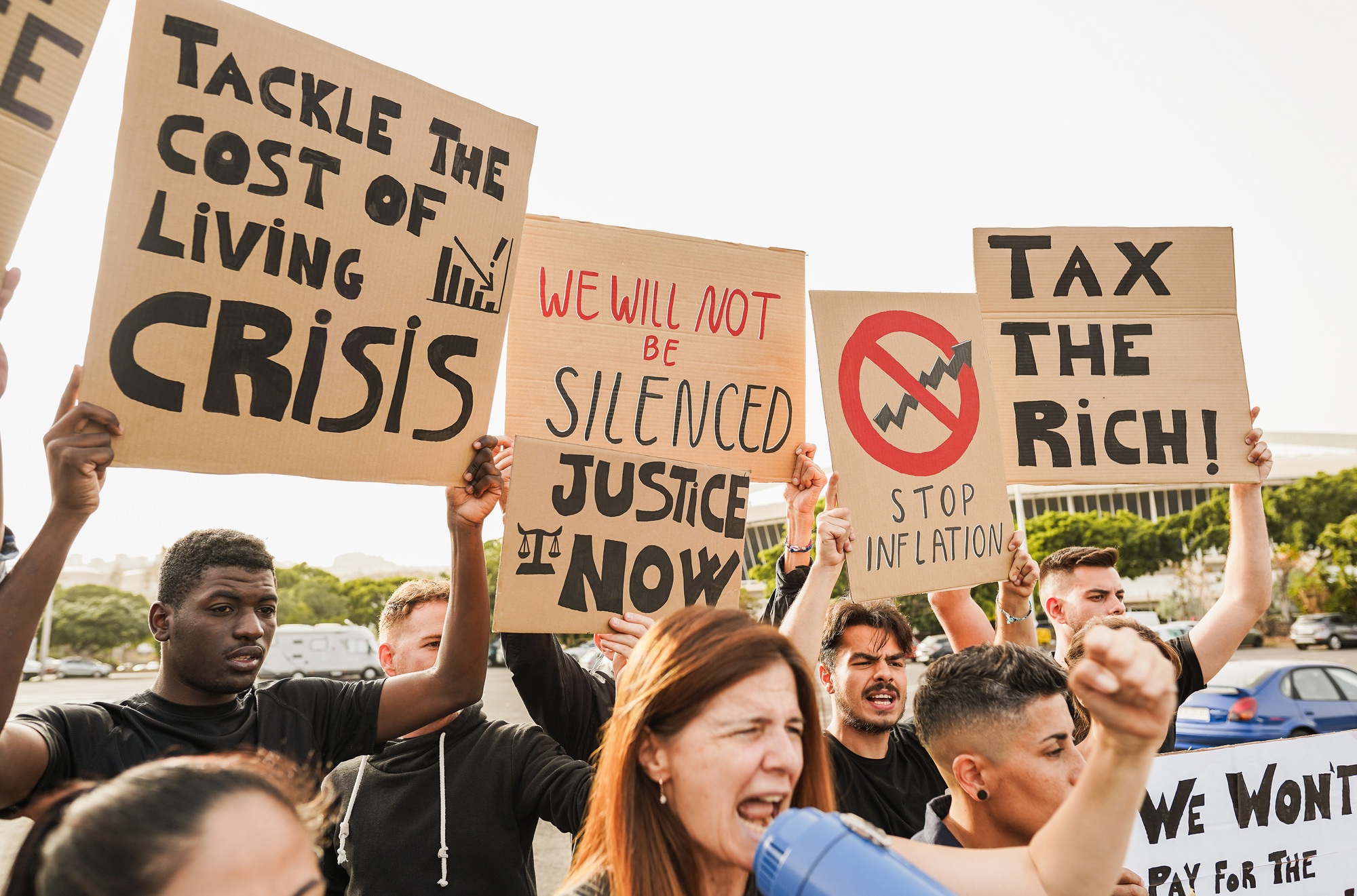
Over the past few years, inflation has been an unrelenting challenge for American households and the nonprofit sector alike. As of 2025, U.S. nonprofits are still grappling with the effects of rising operational costs, while many donors have yet to fully return to pre-pandemic giving levels.
Giving USA’s most recent report revealed a continued decline in charitable donations when adjusted for inflation, making 2024 the second consecutive year of reduced giving. At the same time, nonprofits are reporting record-high demand for services like food assistance, housing, and mental health support.
So, how are nonprofits and donors responding in 2025? What trends are emerging, and how can the sector adapt to these ongoing challenges? Let’s take a closer look.
“While Americans remain generous, the lingering effects of inflation and economic uncertainty influence how—and how much—they give.“


Inflation’s Continued Impact on Nonprofits
In 2025, inflation is no longer dominating headlines as it did during 2021-2023, but nonprofits still deeply feel its impact. Rising costs continue to strain budgets, making it harder for organizations to meet growing community needs.
Here’s what nonprofits are up against:
- Rising Service Demand: According to Feeding America, the number of people seeking food assistance at local pantries increased by 12% in 2024 and will remain high in 2025.
- Higher Operational Costs: Nonprofits report spending 15-20% more on basics like utilities, food, and transportation compared to 2021.
- Labor Challenges: Organizations are struggling to retain staff as wages in the nonprofit sector lag behind rising wages in the private sector.
These financial pressures are forcing many nonprofits to make difficult choices, such as reducing staff or scaling back programs.
What’s Happening to Donations?
Charitable giving trends in 2024 tell a mixed story. While Americans remain generous, the lingering effects of inflation and economic uncertainty influence how—and how much—they give.
-
Fewer Small Donors: The number of small-dollar donors continues to shrink. A 2024 report by the Fundraising Effectiveness Project found that donors giving less than $500 annually dropped by 5%, while mid-level and major donors accounted for a growing share of total giving.
-
Prioritizing Essential Services: Donors are increasingly directing their contributions to causes they perceive as addressing urgent needs, such as food insecurity, healthcare, and housing.
-
Digital Giving Rises: Online and mobile giving continue to grow, with 45% of donations made online in 2024, up from 33% in 2020, according to Blackbaud’s Charitable Giving Report. Younger generations, in particular, are using social media and crowdfunding platforms to support causes they care about.
Signs of Hope: The Resilience of Donors and Nonprofits
Despite economic pressures, the nonprofit sector remains resilient. Americans are finding creative ways to give back, even if their financial contributions are smaller than in previous years.
Here are a few positive trends shaping 2025:
- Corporate Giving Is Up: Many businesses are stepping up their philanthropic efforts, with corporate giving growing by an estimated 4% in 2024, according to Giving USA.
- Recurring Donations on the Rise: Nonprofits are focusing on cultivating long-term relationships with donors, resulting in a 10% increase in recurring monthly donations over the past two years.
- Volunteerism Is Growing: While financial donations may be down, volunteerism is experiencing a resurgence. The Corporation for National and Community Service reports a 7% increase in volunteer hours in 2024, as Americans look for non-monetary ways to support their communities.
What Lies Ahead for Charitable Giving in 2025 and Beyond?
Looking to the future, experts predict that the state of charitable giving will hinge on broader economic trends. If inflation continues to cool and wages stabilize, more Americans may feel confident in their ability to donate again.
In the meantime, nonprofits are taking steps to build financial resilience:
- Diversifying Revenue: Many organizations are exploring grants, partnerships, and fee-for-service programs to reduce reliance on traditional fundraising.
- Investing in Technology: Nonprofits are leveraging digital tools to streamline operations and engage with donors in new ways.
- Advocating for Policy Change: There’s a growing push for federal and state governments to offer more support to the nonprofit sector, such as expanded tax incentives for charitable giving.
The road ahead for the U.S. nonprofit sector in 2025 is filled with both challenges and opportunities. Inflation and rising costs may still be casting a shadow, but the generosity and creativity of donors, volunteers, and nonprofit leaders continue to shine through.
By staying engaged and finding ways to give back—no matter how small—we can ensure that these vital organizations remain a lifeline for millions.
What’s your take on the state of charitable giving in 2025? Are there any nonprofits you’re passionate about supporting? Let’s keep the conversation going in the comments!
Tags :
Share This :